
The Role of Luck in Gambling
Gambling is often characterized by its unpredictable nature, where chance plays a fundamental role in determining the outcome of games. Luck, in this context, refers to the random events that can significantly influence wins or losses. For instance, playing a game of chance like roulette or slot machines relies heavily on luck, as the player has no control over where the ball lands or the symbols that line up. Additionally, many players enjoy the possibility of winning big at places like $20 neosurf casino australia real money , which enhances the thrill and excitement that many find appealing in gambling. The element of surprise and uncertainty keeps players engaged, often leading them to believe that fortune is a pivotal aspect of their experience.
Moreover, the psychological aspect of luck cannot be underestimated. Many gamblers believe they possess a certain luck charm or a lucky streak where they find themselves winning more than usual. This belief can create a self-fulfilling prophecy, where confidence boosts performance, albeit temporarily. For example, a player who believes in their lucky shirt may play more boldly, making larger bets that they wouldn’t typically consider. However, while luck can create exhilarating highs, it can also lead to devastating losses when belief in luck overshadows the realities of chance-based games. Understanding the duality of luck helps players maintain a balanced perspective, acknowledging that while luck can enhance their experience, it is not a guaranteed path to success.
Ultimately, luck serves as a double-edged sword in gambling. Those who experience good fortune may enjoy a surge in confidence and success, while others may face disappointment. Recognizing that luck is just one component of the gambling experience can help players make more informed decisions. It is essential to approach gambling with a clear understanding that while luck can offer a momentary advantage, it cannot replace the importance of strategy, skill, and responsible gambling practices.
The Skill Factor in Gambling
While luck is undoubtedly a critical factor in gambling, skill also plays a significant role, especially in games that require strategy and decision-making. For instance, poker is a game where players must not only rely on luck but also employ psychological tactics, probability analysis, and a deep understanding of their opponents’ behaviors. Skilled players can make calculated decisions that enhance their chances of winning, sometimes turning the odds in their favor against less experienced rivals. This interplay of luck and skill highlights the complexity of gambling, where a well-timed decision can lead to a significant advantage, regardless of the luck factor.
In contrast, games such as blackjack allow for a combination of luck and strategy, where players can employ techniques like card counting to gain an advantage. Knowledge of the game’s mechanics, understanding when to hit or stand, and the ability to manage one’s bankroll effectively are crucial skills that can mitigate the randomness of luck. For example, a player who understands the odds of drawing specific cards can make informed decisions that improve their chances of winning. In this way, skill can complement luck, making it possible for skilled players to experience success more consistently than those who rely solely on chance.

However, it’s important to note that even the most skilled players can be at the mercy of luck. A bad run of cards can derail a well-thought-out strategy, showcasing the inherent unpredictability of gambling. Therefore, while skill is an essential component that can influence outcomes, luck remains a pivotal element that can level the playing field even among the most seasoned gamblers. Emphasizing a balanced approach that incorporates both skill and an understanding of luck is vital for anyone serious about improving their gambling results.
The Gambling Environment and Its Influence on Luck
The environment in which gambling occurs may also impact the perception and presence of luck. For instance, playing in a lively casino filled with enthusiastic players can elevate the sense of luck and probability. Gamblers often feed off the energy of their surroundings, which can influence their mindset and potentially their outcomes. This communal experience can lead to a belief in a ‘lucky atmosphere’, where people feel as though fortune is on their side. Social interaction can enhance the gambling experience, making players feel supported and confident, which can, in turn, influence their betting behavior.
Conversely, the digital gambling environment presents a different perspective on luck. Online players may be disconnected from an engaging atmosphere, which can alter their perception of luck. The anonymity of online platforms may contribute to a focus solely on numbers and probabilities rather than on the excitement and thrill associated with physical gambling spaces. This shift can influence how players perceive their luck; winners might attribute success to skill rather than chance due to the lack of immediate social reinforcement. The absence of a shared experience may lead to a more solitary understanding of luck, where personal beliefs about fortune can be skewed by the lack of external validation.
In recent years, advancements in technology have also introduced various gadgets and apps that claim to help players predict outcomes, further complicating the relationship between luck and skill. As technology continues to evolve, it will be interesting to see how it reshapes the ideas of luck and success in gambling environments, potentially offering new insights into this complex interplay. The emergence of AI and machine learning in gaming may also redefine strategies, influencing how players perceive their relationship with luck and skill in this ever-changing landscape.
The Psychological Aspect of Luck in Gambling
The concept of luck is heavily intertwined with psychology in the realm of gambling. Gamblers often develop cognitive biases that influence their perception of luck, such as the gambler’s fallacy, where they believe that previous outcomes can affect future ones. For instance, a player who experiences a losing streak may instinctively believe that they are “due” for a win, which can lead to overspending and riskier bets. This belief in luck can cloud judgment and lead to poor decision-making, as players may chase losses instead of adopting a more rational approach to their gambling activities.
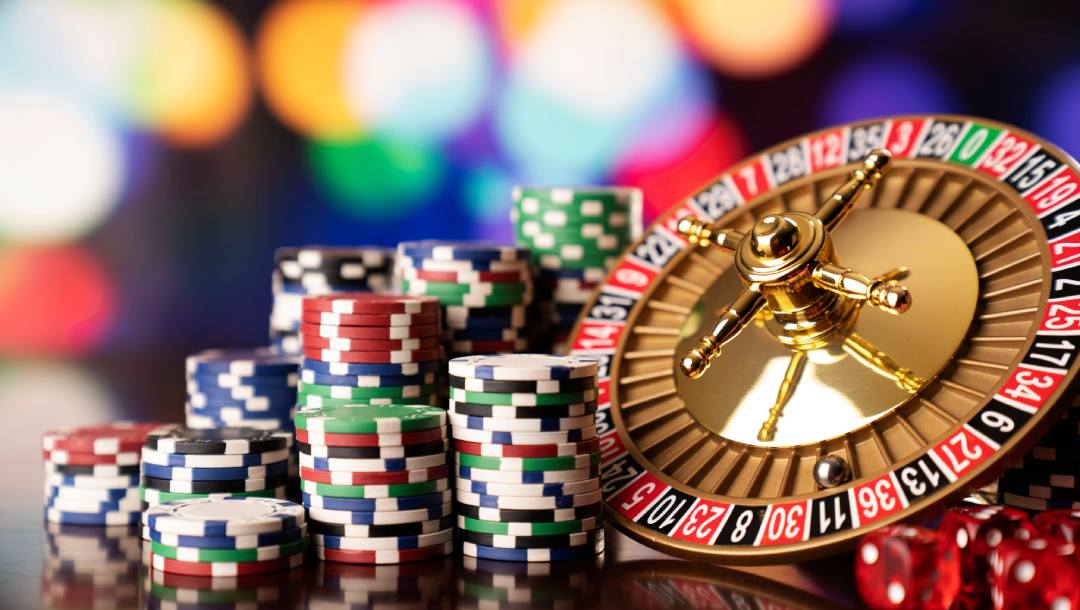
Furthermore, the psychology of luck can create a feedback loop. When players experience wins, they often attribute these successes to their luck, reinforcing the idea that they can control or predict outcomes. This mindset can be dangerous, as it may prompt continued gambling despite losses, perpetuated by the hope of a future lucky break. Understanding these psychological factors can enhance awareness and help gamblers make more rational decisions, reducing the emotional roller coaster often associated with luck. By recognizing when their judgment is being influenced by psychological biases, players can take steps to mitigate the potential negative impacts of these beliefs.
Additionally, developing a healthy relationship with luck can provide a more balanced approach to gambling. By recognizing that luck is an unpredictable variable in their experience, players can focus on developing skills and strategies that can complement their luck. This mindset encourages responsible gambling and helps players navigate the highs and lows of the gambling experience with a clearer perspective. Mindfulness and self-awareness in gambling can foster better decision-making and enhance overall enjoyment, as players learn to balance the thrill of luck with the importance of skill and strategy.
Understanding Your Gambling Experience
Your understanding of luck and its impact on your gambling experience is crucial to your overall enjoyment and success. Engaging with luck involves recognizing its role without allowing it to dominate your approach to gambling. A balanced understanding can help mitigate the risks associated with relying too heavily on chance while fostering a healthy respect for the unpredictability of games. Players should strive to create a personal gambling philosophy that prioritizes both skill development and an acknowledgment of luck’s role in their outcomes.
Moreover, embracing both luck and skill can lead to a more fulfilling gambling experience. Setting realistic expectations around wins and losses can help temper the emotional ups and downs that often accompany casino play. Finding enjoyment in the experience itself, rather than solely focusing on monetary outcomes, can create a healthier relationship with gambling and luck. This shift in perspective encourages players to appreciate the journey of gambling while understanding that outcomes are often beyond their control.
Ultimately, acknowledging the intricate dance between luck and skill equips players with a better framework for their gambling activities. It fosters a sense of mindfulness that can lead to better decision-making, promoting a more enjoyable and responsible gambling experience. By cultivating an awareness of how luck interacts with skill, players can navigate the complexities of gambling with greater clarity and intention, enhancing their overall experience.